|
|
|
Want to see this page from the opposite viewpoint? Click here ->
|

|
|
The Japanese eat a huge variety of different creatures, substances and artefacts; perhaps not everything that
exists, but not far off. Yet they will still be really shocked if you suggest eating something not on their list -
this is a culture which will happily devour raw horse but turns squeamish at the thought of a bowl of rice pudding.
You may find it useful to quote the list of foods not eaten in Japan if you ever need to a) shock a Japanese
person, or b) get out of eating some really disgusting dish that's being thrust upon you. In fact I can even
suggest carrying a pot of Marmite with you at all times, to wield in emergencies.
|
Food eaten in Japan:
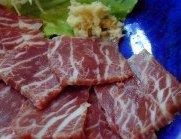 |
Basashi
(raw horse)
Ask any Japanese person directly if they have ever eaten horse, and you'll just get a shocked and bemused denial.
Use the name "basashi", however, and the penny will drop...
"Oh, I didn't realise you meant raw horse!"
For safety reasons, this is often eaten semi-frozen, because horse
meat contains parasites. Or so I was told just after eating it. Hmm.
|
|
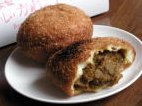
Curry Doughnuts
Doughnuts, filled with curry. Enough said.
|
 |
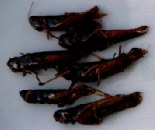 |
Inago
(fried grasshoppers)
Not just fried but covered in some sort of sugar or honey, this snack was presumably designed
just so that old people can refer to it when telling their grandchildren, "when I was your age,
we didn't need chocolate bars..."
Eating grasshoppers isn't so popular these days (can't imagine why), so unlike octopus or konnyaku
you won't find shelves full of them at the supermarket, but you can still buy them at gift shops.
|
|
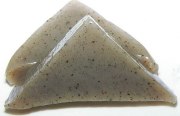
Konnyaku
I don't know how konnyaku is made, but imagine eating slimy grey rubber and you won't be far off.
Fortunately, it doesn't really taste of anything, so you get used to it.
|
 |
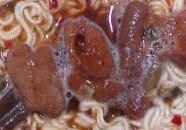 |
Motsu
(assorted internal organs)
Including intestines. When I tried this dish, the smell and taste both made me think about the
important job that intestines are actually doing in there, and how glad I am that I
don't have to witness them doing it.
|
|
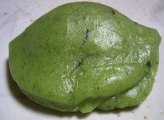
Kusamochi
(grass-flavoured rice balls)
Apparently, these are flavoured with a special type of grass, rather than lawn grass, but
you'd have to have a palette more educated than mine in the field of grass-tasting to tell
the difference.
Supposedly makes the Japanese feel that springtime has arrived; actually makes me feel like
I've turned into a cow.
|
 |
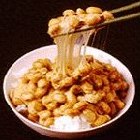 |
Natto
(fermented soy beans)
This is the number one food used when asking foreigners "Can you eat XXXX?", the reason
being that many Japanese know it's disgusting and are unable to force it down either.
It's also incredibly noxious, so if you suddenly start feeling nauseous in Japan it's probably
because someone has started eating natto in the next street.
The nearest equivalent that we have in Britain is Marmite, which very few foreigners can
cope with, but it doesn't have the long-range repellent effect of natto.
|
|
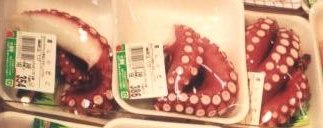
Octopus
It's not much of a surprise to most people that the Japanese eat octopus - but if you're
expecting it to be a delicacy, think again. It's everywhere.
|
 |
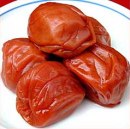 |
Umeboshi
(pickled plum)
The Japanese plum is small and round, with a sweet, tangy taste. And what do they do with
this delicious, refreshing fruit? They pickle it. Insanity.
|
|
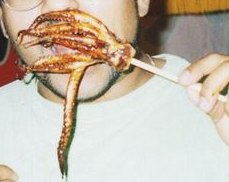
Squid Tentacles on a Stick
Traditional festival food. Sometimes you get the whole squid, not just the tentacles.
|
 |
 |
Whale
Whale meat can be eaten raw or cooked. It's well known that the Japanese eat whale meat, but I've
seen fried whale cutlet on a stick served as school lunch in a junior high school, which came as a
surprise. Especially considering that in Japanese schools, you can't opt out - you
either eat your whale cutlet or you get no lunch. The kids didn't seem to mind, though.
|
|
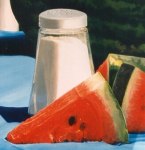
Salted Watermelon
In Japan, everyone 'knows' that the watermelon is a vegetable, not a fruit, so they take this
to its logical conclusion and add salt before eating it. Try it at home for the
authentic Japanese summer taste.
|
 |
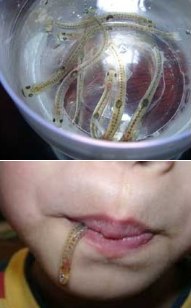 |
Odorikui
(live fish)
Although the Japanese do sometimes start tucking into large fish before they're actually dead,
in this case a glass full of small fish in vinegar is drunk in order to get the tingly sensation of the
fish swimming about in the stomach.
They are supposed to go straight down, but the child in the picture is obviously a little
inexperienced at fish-swallowing, as one has almost escaped.
|
|
Food not eaten in Japan:
|
|
|
|
|
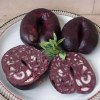
Black Pudding
|
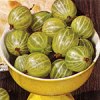
Gooseberries
|
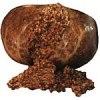
Haggis
|
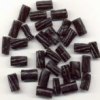
Liquorice
|
|
|

|
|
|
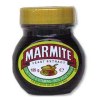
Marmite
|
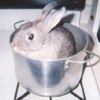
Rabbit
|
Rice Pudding
|
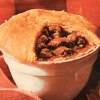
Steak & Kidney Pie
|
|